
Drum & Cylinder Handling Equipment
Drum & Cylinder Handling Equipment - Safe Lifting, Storage & Spill Containment
Drums and cylinders can weigh hundreds of pounds. Manual handling is risky and often leads to back injuries, crushed fingers, or worse. Specialized equipment keeps loads balanced and secure, minimizing the chance of tipping, falling, or spilling hazardous contents, while helping facilities meet OSHA and other regulatory safety standards.
Drum and cylinder handling equipment safely lifts, moves, and positions heavy drums and pressurized cylinders in warehouses, plants, and production environments. These loads can be heavy, awkward, and hazardous, making controlled handling essential. Purpose-built equipment keeps containers balanced and secure during transport, storage, and dispensing, reducing the risk of tipping, dropping, or leaks.
By enabling a single operator to move drums safely and efficiently, handling equipment improves workflow and reduces labor strain. Better control minimizes product damage, spills, and downtime, supporting safer operations and consistent throughput across chemical, food-grade, oil, and gas applications. For facilities handling liquids or hazardous materials, spill control platforms and pallets add an additional layer of protection by containing leaks at the source before they reach the floor.
Selecting the Right Type:
♦ Lift type, choose a Wesco power or scale drum lift for vertical lifting and dispensing, or a drum dolly for horizontal repositioning of a stationary drum.
♦ Storage, choose MECO drum racking or pallet racks for organized bulk storage, or safety cabinets for cylinder and propane storage.
♦ Cylinder handling, choose a MECO or Little Giant cylinder truck for single-cylinder transport, or a cylinder pallet for multi-cylinder storage and movement.
♦ Spill containment, choose a Low Profile platform for easy pallet jack loading, a Fork Liftable pallet for forklift repositioning, or a Cart for mobile spill control that moves with the drum.
Where Commonly Used:
♦ Chemical and Oil and Gas Facilities, drum lifts, racks, and spill platforms support safe handling of hazardous liquids.
♦ Food-Grade Production, dedicated drum handling equipment reduces spill and contamination risk.
♦ Warehouses and Distribution Centers, drum and cylinder racks support organized bulk storage.
♦ Cylinder and Propane Storage Areas, safety cabinets support compliant storage of pressurized containers.
♦ IBC Tote Storage, containment pallets capture leaks at the source before they reach the floor.
CustomMHS carries the full line of Wesco, MECO, Little Giant, and Vestil drum and cylinder handling equipment, backed by each manufacturer's warranty.
| Drum handling equipment is specialized machinery designed to handle drums of various sizes and weights safely and efficiently. These tools and equipment offer several benefits in industries where drums store and transport liquids, chemicals, and other materials. In summary, drum handling equipment provides many benefits, including improved safety, increased efficiency, reduced physical strain on workers, and enhanced precision in material handling. It is an essential tool in industries that rely on drums for storage, transportation, and handling various materials.
|
 Little Giant Industrial Propane Tank Storage Cage
Secure forklift propane tanks with the Little Giant Industrial Gas Cylinder Cage. All-welded design holds 12 cylinders horizontally, fits 20/33/44 lb tanks, lockable door, floor-mount footpads, safety yellow powder coat + Danger/Flammable sign. View All →
Little Giant Industrial Propane Tank Storage Cage
Secure forklift propane tanks with the Little Giant Industrial Gas Cylinder Cage. All-welded design holds 12 cylinders horizontally, fits 20/33/44 lb tanks, lockable door, floor-mount footpads, safety yellow powder coat + Danger/Flammable sign. View All →
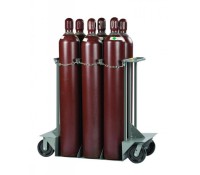 Little Giant Gas Cylinder Truck
. Heavy-duty 7-gauge deck with reinforced tubing and corral dividers. Heavy-duty chain secures cylinders. Two swivel and two rigid 8-inch phenolic casters. 48-inch overall height. Authorized distributor. View All →
Little Giant Gas Cylinder Truck
Little Giant Gas Cylinder Truck. Heavy-duty 7-gauge deck with reinforced tubing and corral dividers. Heavy-duty chain secures cylinders. Two swivel and two rigid 8-inch phenolic casters. 48-inch overall height. Authorized distributor. View All →
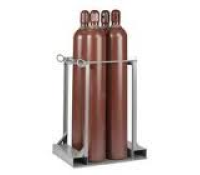 Little Giant Gas Cylinder Pallet
Little Giant gas cylinder pallet transports 9-1/4" cylinders by forklift, with a 7-gauge steel deck and secure divider handles. View All →
Little Giant Gas Cylinder Pallet
Little Giant gas cylinder pallet transports 9-1/4" cylinders by forklift, with a 7-gauge steel deck and secure divider handles. View All →
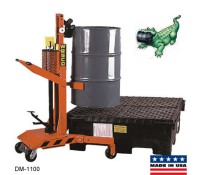 Wesco Ergonomic Drum Handler DM-1100 Standard Model
The Wesco Ergonomic Drum Handler DM-1100 Standard Model provides an ergonomic solution for lifting, transporting, weighing, and placing drums on spill or standard pallets. View All →
Wesco Ergonomic Drum Handler DM-1100 Standard Model
The Wesco Ergonomic Drum Handler DM-1100 Standard Model provides an ergonomic solution for lifting, transporting, weighing, and placing drums on spill or standard pallets. View All →